Research
The impact of
litigation visuals
200+ projects. Client feedback. Real data on what works.
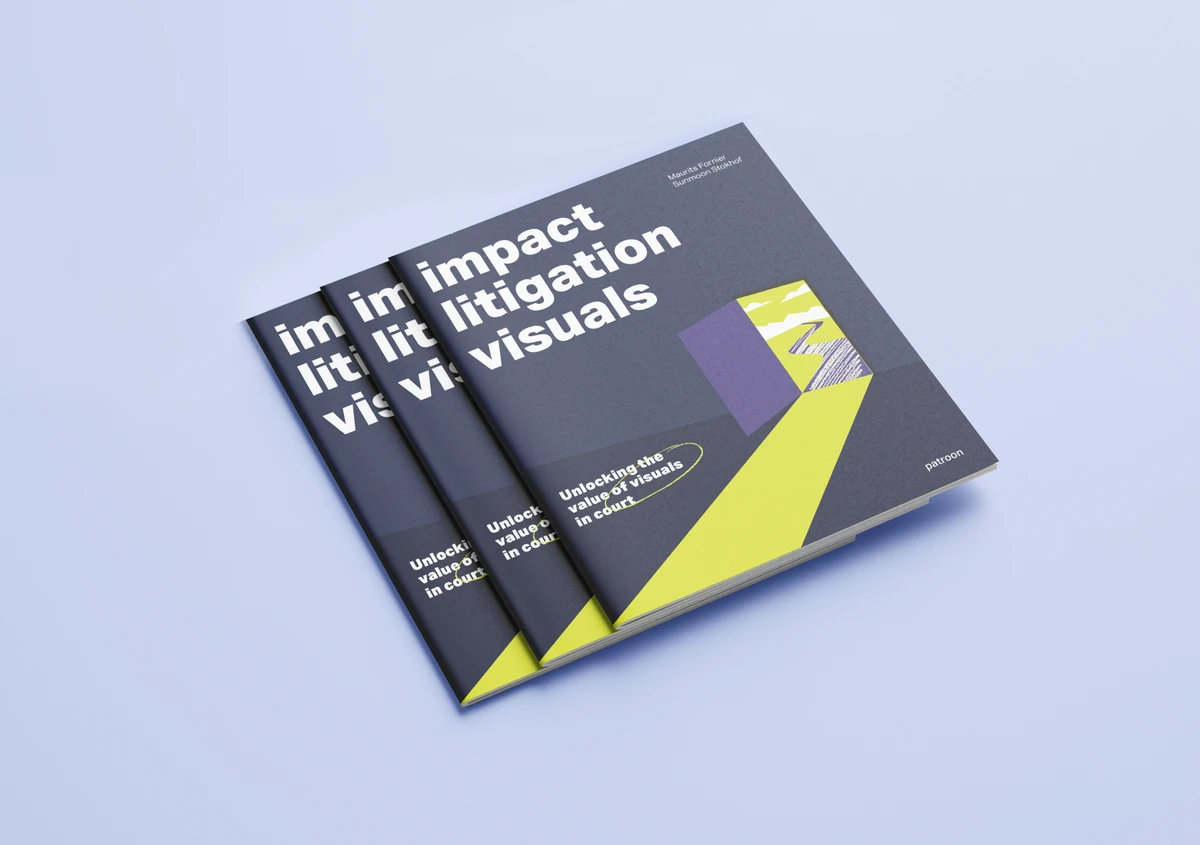
PDF, includes case studies and methodology
Key findings
0%
say visuals make a strong contribution to positive case outcomes
0%
report increased client satisfaction
0%
say visuals improve their own case understanding
The value
Why visuals work in litigation
Comprehension
Judges and arbitrators deal with complex facts, technical evidence, and extensive timelines. Visuals make it easier to understand and retain the key points.
Persuasion
Well-designed visuals tell a story, highlight evidence, and guide attention. They create impressions that shape decisions.
Simplification
Technical evidence, financial transactions, corporate structures — visuals break these down for audiences without specialist expertise.
"Everyone should use them. And until that time, the party that uses them has a significant advantage."
— Survey respondent
Timing
When are visuals used?
Oral hearings: 44%, Written submissions: 41%, Pre-litigation: 15%.
What practitioners say
From the survey
"Easier and faster understanding of the case by judges."
"Sharpens discussion and thinking in the drafting phase."
"Time-saving and efficient when explaining the case."
"Helps comprehension of facts, especially in technical matters."
A note on methodology
The direct impact of litigation visuals on case outcomes is difficult to quantify precisely. Our objective is not to provide definitive cause-and-effect evidence, but to explore correlations and patterns that suggest impact. The effect on client satisfaction and case comprehension is easier to measure directly.
Want the full report?
Includes detailed case studies, practical guidance for building your visual litigation strategy, and the complete survey data.
Download PDFComplexity that needs structure?
Get in touch
A complex case. A document that isn't landing. Regulation that needs translating into practice. We're happy to think along, no strings attached, and see what we can do.
Nicolaas Witsenkade 38, Amsterdam