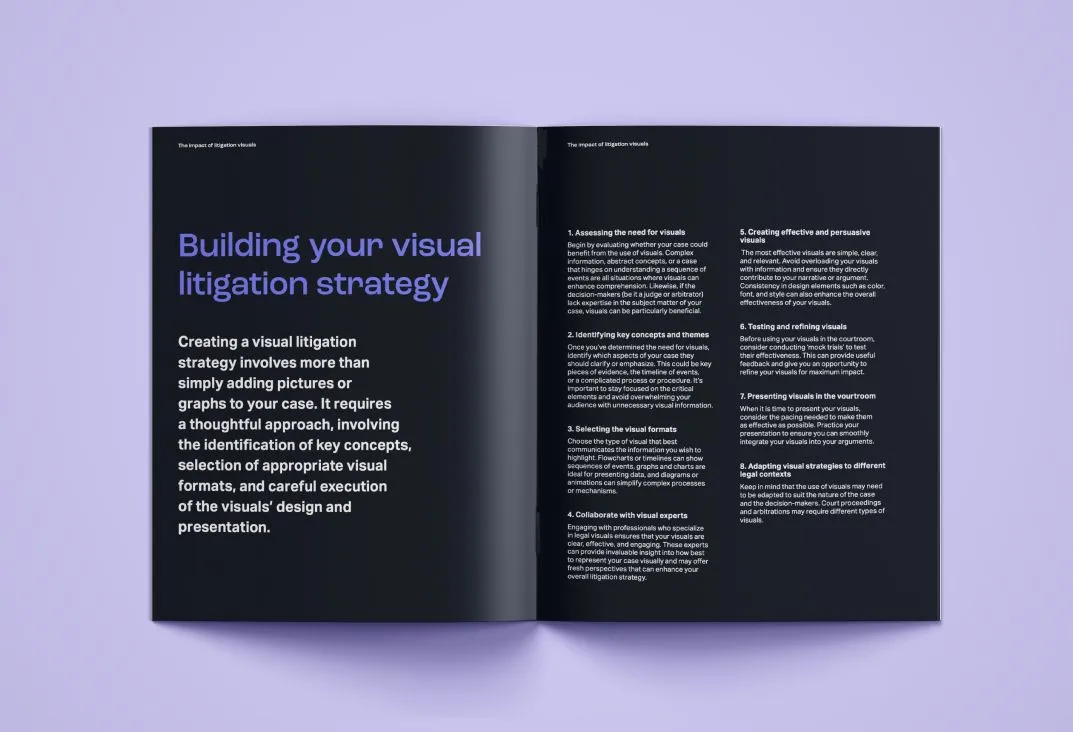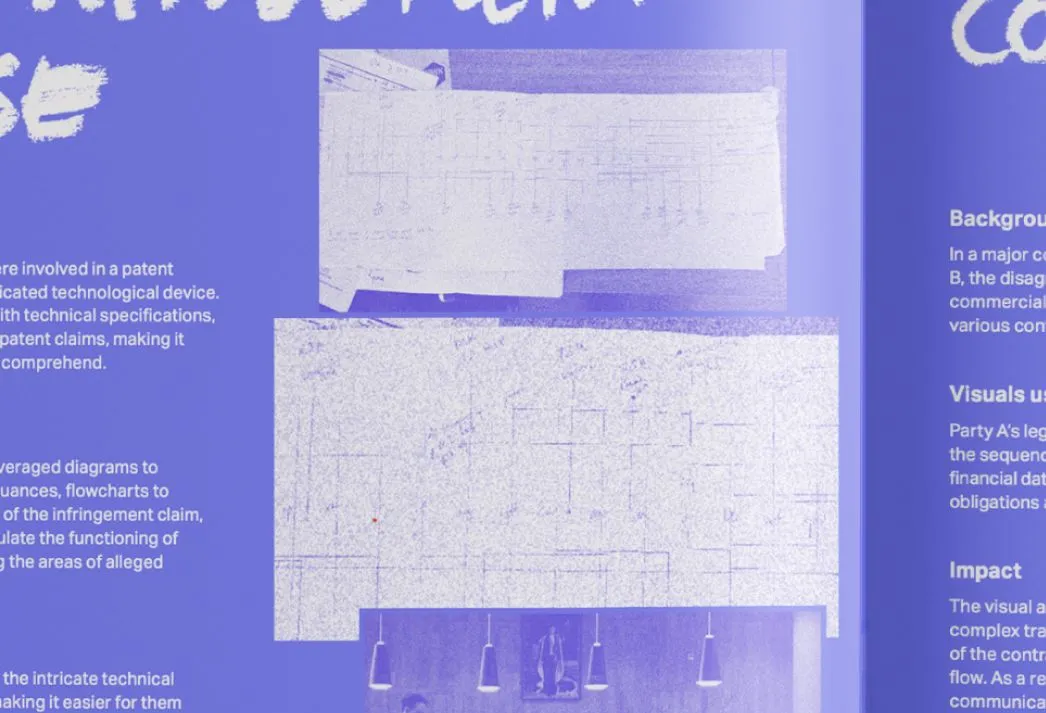
You create a timeline for the judge. You build a structure chart for the arbitrator. You design a data visualization for the tribunal.
But here’s what we discovered after 200+ litigation visual projects: the person who benefits most isn’t in the courtroom. It’s you.
The unexpected finding
When we surveyed lawyers about litigation visuals, we expected to hear about persuasion. About comprehension. About winning.
We heard something different.
“Sharpens discussion and thinking in drafting phase.”
“Streamlining discussion with client by honing in on key points.”
Lawyers kept telling us that the process of creating visuals transformed how they understood their own cases. Not as a side effect. As the primary benefit.
What the fraud case showed us
A criminal fraud case landed on our desk. Complex. Data-heavy. The kind of case where facts hide in spreadsheets.
We started visualizing the dataset. Mapping relationships. Plotting timelines.
And something became clear that hadn’t been clear before: the case was weak.
The patterns that looked damning in text looked circumstantial in visual form. The connections that seemed obvious in narrative dissolved when mapped spatially.
The lawyer made a decision: don’t proceed.
No courtroom victory. No dramatic verdict. Just a clear-eyed assessment that saved the client from a losing battle—and the costs that come with it.
That’s not a story about persuading a judge. That’s a story about seeing your own case clearly.
Why this happens
Creating a visual forces decisions that prose lets you avoid.
When you write “the parties engaged in a series of complex transactions,” you can move on. When you have to draw those transactions, you must answer: Which parties? What sequence? What flows where?
Every box on a diagram is a commitment. Every arrow is a claim about causation or sequence. Every omission is a choice about relevance.
The visual becomes a stress test for your own argument. Gaps become visible. Assumptions surface. The story you’ve been telling yourself meets the story you can actually show.
The survey data
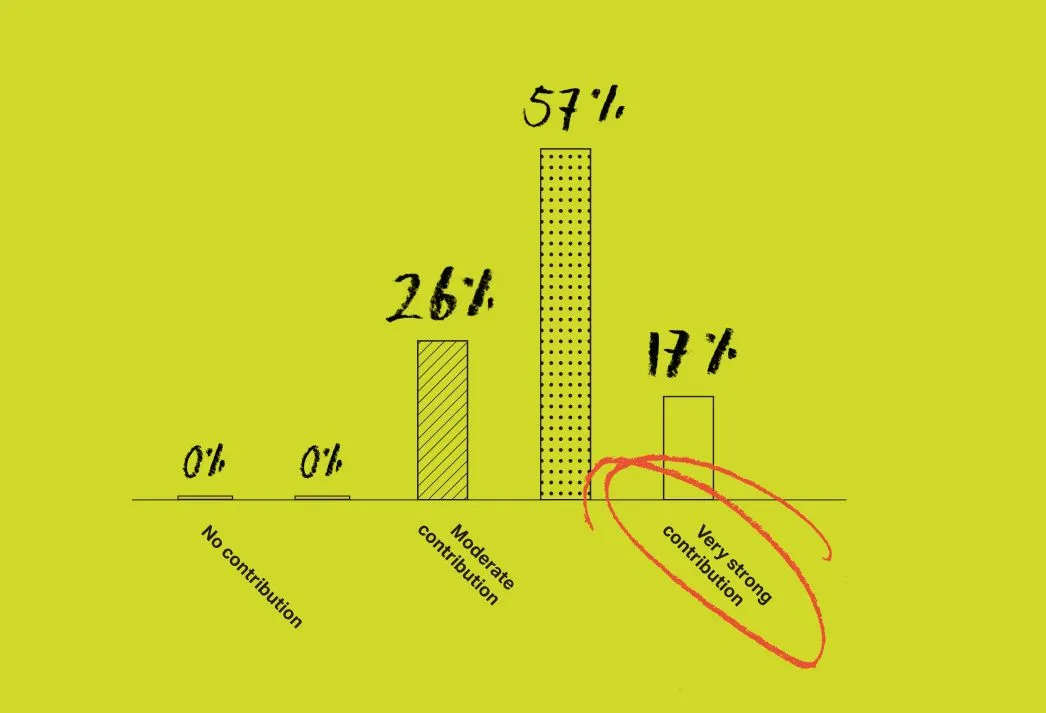
Our research found that lawyers overwhelmingly report improved understanding of their own cases when creating visuals. The responses clustered around “considerably improve” and “greatly improve”—not modest gains, but fundamental shifts in comprehension.
This wasn’t about making things pretty for the tribunal. It was about the discipline of visual thinking forcing clarity.
A different reason to invest
Most conversations about litigation visuals focus on the audience: Will the judge understand? Will the arbitrator be persuaded?
Those matter. But they’re not the whole story.
The visual that helps you see your case clearly—including its weaknesses—might be worth more than the one that persuades a tribunal. Because the first one helps you make better decisions about whether to fight at all.